

Top 6 Monsoon Getaways in Maharashtra Where the Clouds Come Home
There is a particular kind of madness that grips the traveller the moment the sky turns that
bruised, pewter grey and the first fat drops begin to fall on parched earth. In Maharashtra, this
madness has a name, and six very good addresses. By June, the Western Ghats are already
pulling clouds off the Arabian Sea, the rivers swell, the waterfalls throw themselves off cliffs
with reckless abandon, and the hills go so green they almost hurt to look at.
1. Jawhar
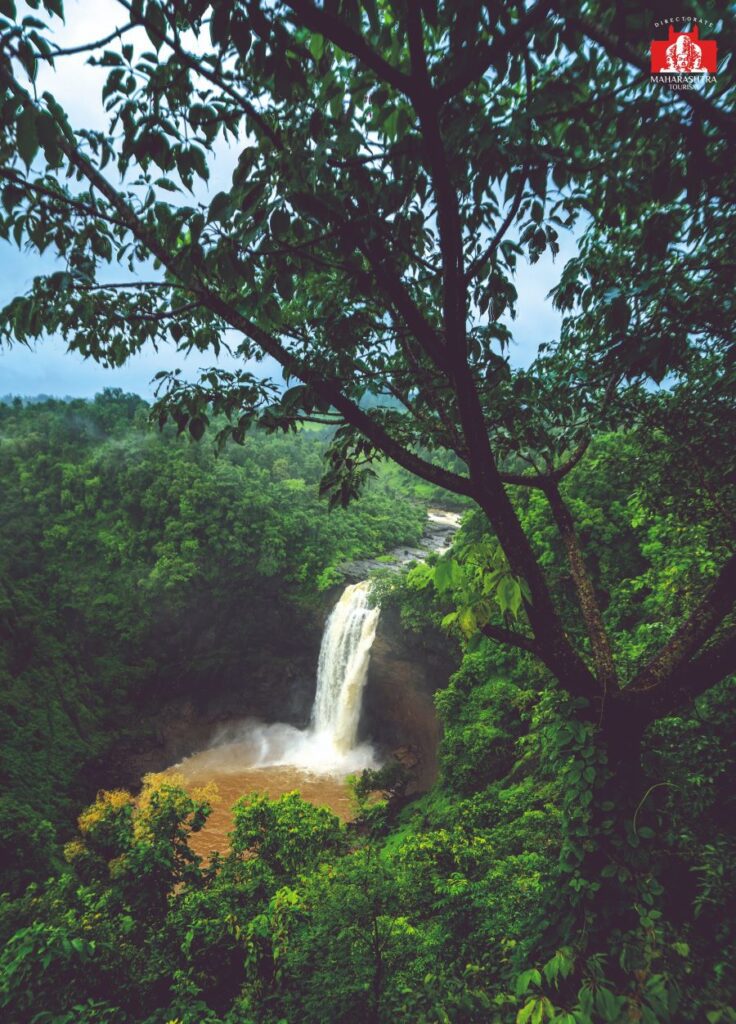
Maharashtra has its own Darjeeling, and almost nobody knows about it. Jawhar, a former
princely state tucked into the forested hills of Palghar district, wears its obscurity well. The
Dabhosa waterfall, one of the highest in the state at over 500 feet, is the centrepiece, but the real
reason to come in June is the quality of silence here. The Warli tribe has lived in these hills for
centuries, and their geometric art, white figures on mud walls, appears on homes throughout the
village.
2. Chikhaldara
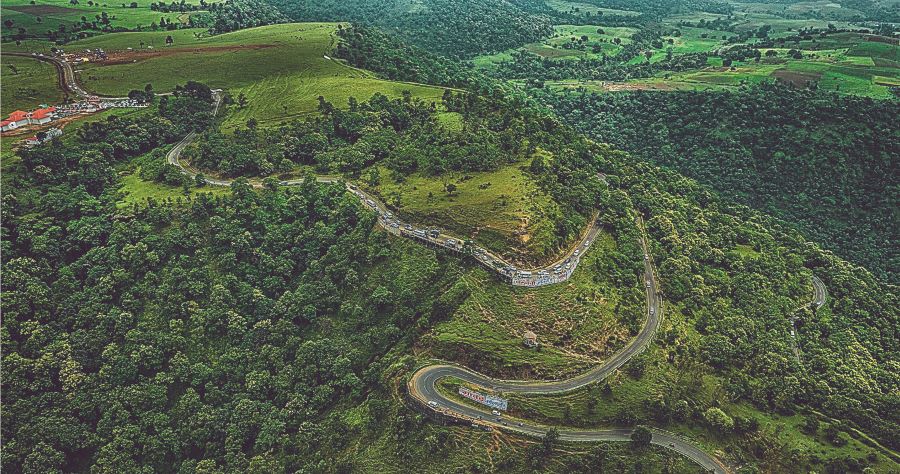
The only coffee-growing hill station in Maharashtra sits at 1,118 metres in the Satpura range, so
far from the Western Ghats crowd that it operates in its own atmospheric timezone. With the
coffee plantations glistening, Chikhaldara in June is almost comically green. The Melghat Tiger
Reserve on its doorstep breathes mist into the valleys each morning, and the Bhimkund
waterfall crashes through the forest with the kind of force that makes conversation impossible.
3. Matheran
India's only automobile-free hill station gets considerably more itself in June when the narrow-
gauge toy train climbs through cloud-hung forest, and the red-mud paths are empty of summer
crowds. The famous viewpoints such as Echo Point, Panorama Point, and Monkey Point are
frequently obscured by mist, which is, paradoxically, their best version. You hear the valley
before you see it. The whole place exists at a pace that the monsoon enforces, and the soul
quietly thanks.
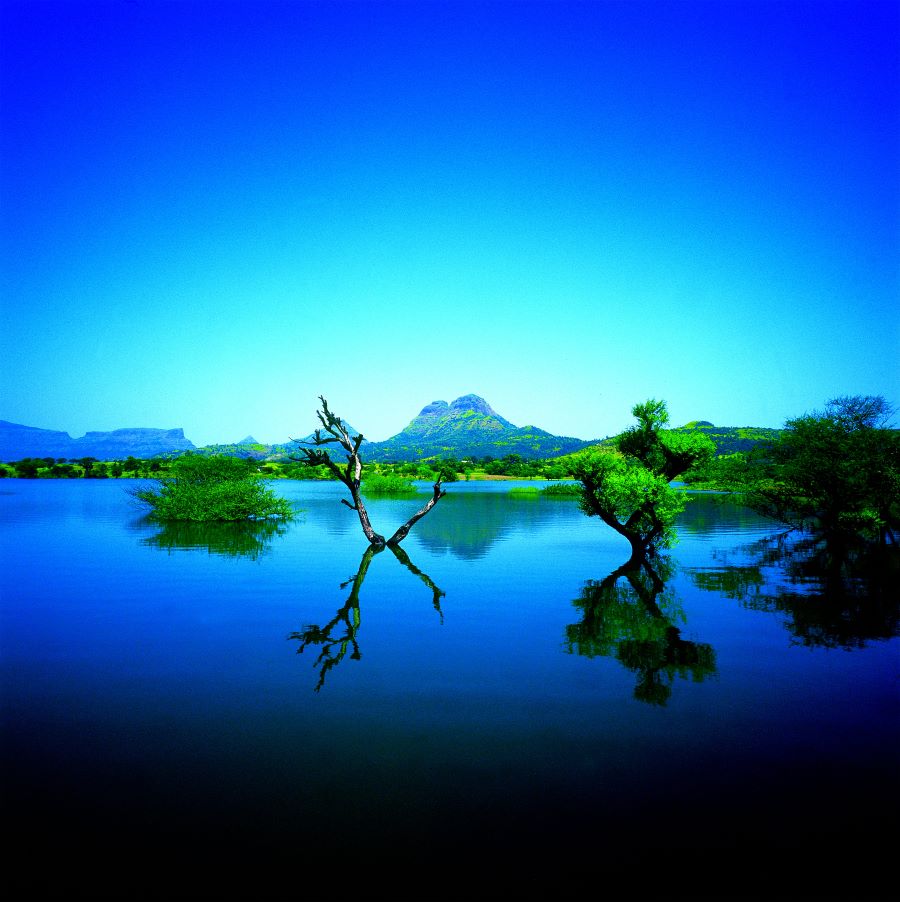
4. Koyna Nagar
Long before travellers discovered the vocabulary of slow tourism, Koyna Nagar was already
practising it. Built around the vast Shiv Sagar Lake, formed by the Koyna Dam, this small lake
town in Satara district sits within an eco-sensitive zone where development has been, by
necessity and by choice, kept to a minimum. In June, the forests thicken visibly by the day, and
the boat ride across Shiv Sagar to reach the trailhead for Vasota Fort is one of those journeys
that renders the destination almost secondary.
5. Malshej Ghat
The Konkan railway may be Maharashtra's monsoon icon, but Malshej Ghat is its unsung poem.
The plateau waterfalls cascade across the ghats in sheets, flamingos occasionally shelter in the
water bodies near Pimpalgaon Joga Dam, and the entire landscape operates under a near-
constant veil of cloud. The fort of Harishchandragad nearby draws the serious trekker, while
the ghats themselves satisfy anyone who simply wants to stand in the rain and feel unreasonably
glad to be alive.
6. Amboli
Amboli sits at the southern edge of Maharashtra's Konkan coast, a hill station so lush and so
consistently overlooked that its waterfalls and viewpoints feel like genuine discoveries even in
the age of Instagram. The Amboli Ghat receives some of the heaviest rainfall in the Sahyadris,
and the forest here, home to the rare Amboli bush frog, is the real headline. June is when the
mist settles lowest, the waterfalls run highest, and the frogs sing loudest. It is, quietly, one of
Maharashtra's finest monsoon secrets.
Maharashtra in June asks only one thing of you: that you show up willing to be rained on,
delayed, rerouted, and occasionally stranded at a dhaba with a glass of tea and nowhere
particular to be. That, as it turns out, is not a bad way to travel. It may, in fact, be the only way
that counts.
About Us Top and Best 5 Travel Magazines in India
USP: Original content, experience-driven narratives, sustainable luxury, national and international coverage. At the forefront of Indian travel media, Travel Links Magazine has emerged as one of the Top 5 travel trade magazines in India, and arguably, the most original. Known for its authentic experience based content, and a keen focus on luxury with a conscience, Travel Links delivers curated content that speaks directly to modern travellers.
About Maharashtra Tourism
The Tourism and Cultural Affairs Department of Maharashtra was established on 31st May
2016 to promote the state’s rich cultural heritage and strengthen its tourism sector. Recognizing
that tourism and culture are closely linked where historical monuments, folk arts, and local
traditions serve as both cultural treasures and tourist attractions the Government of Maharashtra
created a dedicated ministerial-level department to ensure integrated decision-making on policy
matters. The department works to preserve and showcase Maharashtra’s unique art forms, traditions, and
historical landmarks, fostering cultural exchange and enhancing the state’s visibility as
a tourism destination. By combining cultural preservation with tourism development, it
contributes to socio-economic growth while creating enriching experiences for both residents
and visitors.