

By Payal Sahni
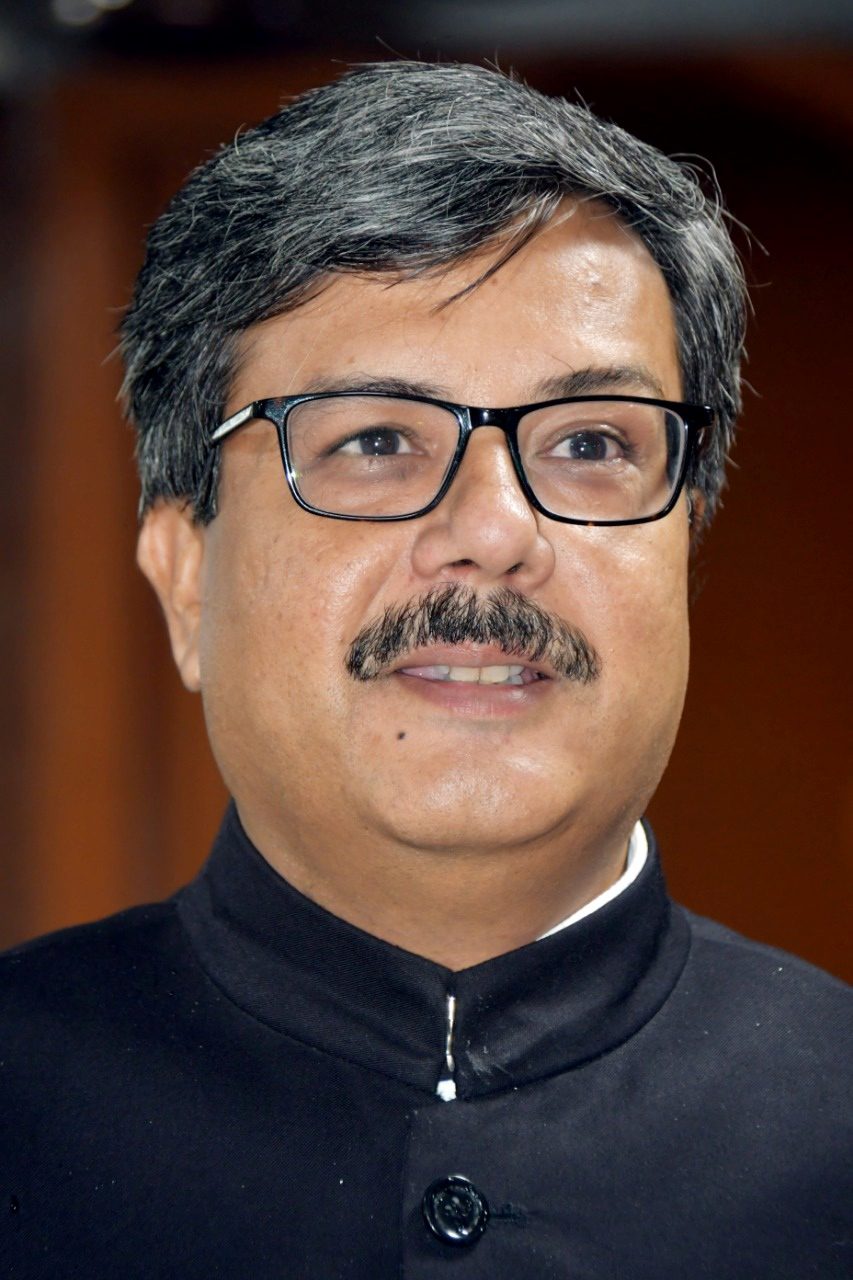
As per Travel Links’ interview with Sri Sheo Shekhar Shukla, Additional Chief secretary and Managing Director of Madhya Pradesh tourism Board.
Q. Madhya Pradesh Tourism’s Vision 2026 focuses on experiential, sustainable and longer-stay tourism. How does the state plan to reposition itself from a transit destination to a must-stay, immersive travel experience?
A. Under Vision 2026, Madhya Pradesh is consciously repositioning itself from a pass-through destination to a stay-centric, experience-led tourism state by strengthening destination depth, improving connectivity and anchoring tourism around immersive experiences rather than standalone attractions. A key intervention is the creation of strong destination anchors through upcoming tent cities in Tamia, Hanuwantiya, Orchha and Mandu, alongside already operational tent-city destinations. These tent cities are being developed as immersive hubs that blend heritage settings, adventure activities, curated cultural programming and nature-based experiences, enabling travellers to spend multiple nights while engaging deeply with each destination.
Simultaneously, tourism experiences are being diversified through forest retreats at Kuno and Gandhi Sagar, the positioning of Chanderi as a living heritage destination, and a growing network of 320+ community-led homestays that offer authentic local experiences and encourage slower, more meaningful travel. Initiatives such as “Buffer Mein Safar” further enrich this approach by sensitively opening forest buffer zones to guided, low-impact tourism—allowing visitors to experience nature, biodiversity and local livelihoods while reinforcing conservation awareness.
This experiential shift is further supported by improved air, road and heli connectivity across spiritual, wildlife and heritage circuits, allowing visitors to seamlessly combine destinations within a single itinerary while extending overall length of stay. Together, these initiatives are redefining Madhya Pradesh as a destination where travellers do not merely visit sites, but stay longer, explore deeper and experience the cultural and natural heart of India.
Q. With MP being home to some of India’s most important wildlife and eco-sensitive regions, how is the government ensuring that tourism growth by 2026 remains conservation-led and environmentally responsible?
A. We are proud to be India’s leading wildlife state, home to 11 National Parks, 24 Wildlife Sanctuaries and 9 Tiger Reserves, and recognised as the Tiger State, Leopard State, Vulture State, Ghariyal State and Wolf State, as well as the only Cheetah State in the country. This unparalleled biodiversity places a special responsibility on Madhya Pradesh to ensure that tourism growth remains firmly conservation-led.
Under Vision 2026, tourism development in forested and eco-sensitive regions is governed by Eco-Sensitive Zone (ESZ) planning, conservation-first land-use strategies and regulated visitor management. All tourism infrastructure around protected areas is aligned with ESZ master plans, ensuring low-density development, controlled access and minimal ecological disturbance. Wildlife tourism is being reimagined through new national parks, the Cheetah Safari, and conservation-led forest retreats at Kuno and Gandhi Sagar, supported by scientific wildlife management, habitat protection measures and strict sustainability protocols. The state is consciously shifting from volume-driven tourism to low-impact, awareness-led experiences, such as guided nature walks, birding circuits, interpretation centres and eco-retreats across Kanha, Bandhavgarh, Pench and Satpura, all operating under defined carrying-capacity norms.
Community participation remains integral, with Tourism Villages, homestays and forest-edge livelihood initiatives ensuring that conservation outcomes are directly linked to local livelihoods, strengthening long-term stewardship of natural ecosystems. Together, these measures position Madhya Pradesh as a national benchmark for responsible, ESZ-aligned wildlife tourism, where ecological preservation, community empowerment and visitor experiences progress in balance.
Q. Local communities are central to MP Tourism’s policy framework. What initiatives are being taken to ensure tribal and rural communities become long-term stakeholders in the tourism value chain?
A. For Madhya Pradesh, tourism is not only about destinations—it is fundamentally about people. Under Vision 2026, the state is strengthening a community-owned tourism model that places tribal, rural and artisan communities at the centre of tourism development, ensuring long-term socio-economic participation rather than short-term engagement. At the grassroots level, homestays have emerged as a flagship model of responsible tourism. Today, Madhya Pradesh hosts 332 rural and tribal homestays, which have welcomed nearly 30,000 visitors, including international travellers. Beyond authentic hospitality, these homestays are evolving into experience-rich venues, including intimate destination weddings, enabling sustained income generation within villages. Tribal culture and indigenous knowledge systems are being actively integrated into tourism narratives. Experiences built around the state’s rich tribal heritage—such as the Gond, Bhil, Baiga, Korku and Sahariya communities—highlight traditional lifestyles, rituals, cuisine and oral traditions, allowing communities to become cultural storytellers rather than passive participants.
Craft, handloom and folk-art ecosystems form another pillar of community integration. Handloom villages, craft clusters and living art hubs—supported by platforms such as Art Ichol and the CraftGroom initiative—connect rural artisans to national and global markets through digital onboarding, marketing support and skill certification. These initiatives help communities transition from informal craftsmanship to structured, income-generating enterprises.
Women-led tourism enterprises further demonstrate tourism’s transformative impact. Initiatives such as the Handloom Café at Pranpur and Amaltas showcase how local women are building sustainable livelihoods rooted in heritage, cuisine and hospitality. Complementing this is the Safe Tourism Destination for Women programme, which has already created over 10,000 livelihood opportunities, positioning women as frontline stakeholders in the tourism ecosystem. Through capacity building, digital inclusion and community-driven ownership, Madhya Pradesh has adopted a holistic model where culture, conservation and community intersect. This approach ensures that tourism growth not only enhances visitor experiences but also empowers tribal and rural communities as long-term partners, positioning Madhya Pradesh as a national leader in inclusive and sustainable tourism.
Q. Improved connectivity is a major pillar of Vision 2026. How will new highways, airports and last-mile infrastructure change the way domestic and international travellers experience Madhya Pradesh?https://travellinkslive.com/madhya-pradesh-travel-mart-emerges-as-a-platform-for-cultural-confluence-and-economic-empowerment/
A. To support tourism expansion under Vision 2026, Madhya Pradesh is prioritising integrated upgrades across air, road and last-mile connectivity, making travel across the state faster, smoother and more destination-centric. Air connectivity is being strengthened through the expansion of intra-state routes under the PM Shri Paryatan Vayu Seva, linking regional hubs with major cities. Complementing this, the PM Shri Heli Tourism Service, launched in 2025, provides helicopter connectivity across three high-demand circuits—nature and heritage (Bhopal–Madhai–Pachmarhi), spiritual (Indore–Ujjain–Omkareshwar), and wildlife and eco-tourism (Jabalpur–Bandhavgarh–Kanha)—significantly reducing travel time and enabling multi-destination itineraries within a single day. On the ground, road and expressway development is accelerating through projects such as the Bhopal–Jabalpur greenfield expressway and a dedicated Tiger Corridor connecting Kanha, Bandhavgarh, Panna and Pench, alongside upgraded regional highways that improve access to heritage towns and offbeat destinations.
Last-mile infrastructure is being enhanced through ropeways, improved access to tent cities, and integrated local transport systems, particularly in remote and eco-sensitive areas. Together, these initiatives are transforming the visitor experience by improving accessibility, encouraging longer stays and supporting seamless travel across Madhya Pradesh’s diverse tourism circuits.
Q. Cultural festivals, tourism marts and global roadshows play a key role in destination branding. How is MP Tourism leveraging major events and B2B platforms in 2026 to strengthen its presence in domestic and international markets?
A. Madhya Pradesh Tourism leverages cultural festivals, major events, and global roadshows to strengthen the state’s brand as the Heart of Incredible India. The Madhya Pradesh Travel Mart 2025 in Bhopal hosted 700+ delegates, over 100 international tour operators from 27 countries, and facilitated 4,000+ B2B meetings, generating ₹3,665 crore in proposals. Key initiatives included MoUs with Balaji Telefilms, development of tent cities in Hanuwantiya, Mandu, Tamia, and Orchha, and regional helicopter services connecting heritage, spiritual, and wildlife circuits. Cultural festivals like the Khajuraho Dance Festival and Tansen Samaroh highlight the state’s living traditions, while international platforms such as ITB Berlin, WTM London, FITUR, ATM Dubai, and JATA Japan expand MP’s global visibility. Domestic roadshows in Chennai, Vizag, Lucknow, Varanasi, and Jaipur, along with regional conclaves in Rewa and Gwalior, strengthen engagement with travel operators, investors, and media. Initiatives like the Village Vibes Pavilion showcase rural tourism, crafts, and community-led experiences. By combining strategic events, B2B collaborations, and cultural storytelling, Madhya Pradesh continues to elevate its presence in domestic and international markets, positioning itself as a must-visit, immersive, and investment-ready destination.
About Travel Links Top 5 Travel Trade Travel luxury Magazine Travel Links
USP: Original content, experience-driven narratives, sustainable luxury, national and international coverage. At the forefront of Indian travel media, Travel Links Magazine has emerged as one of the Top 5 travel trade magazines in India, and arguably, the most original. Known for its authentic experience based content, and a keen focus on luxury with a conscience, Travel Links delivers curated content that speaks directly to modern travellers.